Why Was the Stabilizer Link Invented?
- Share
- Issue Time
- Jan 26,2026
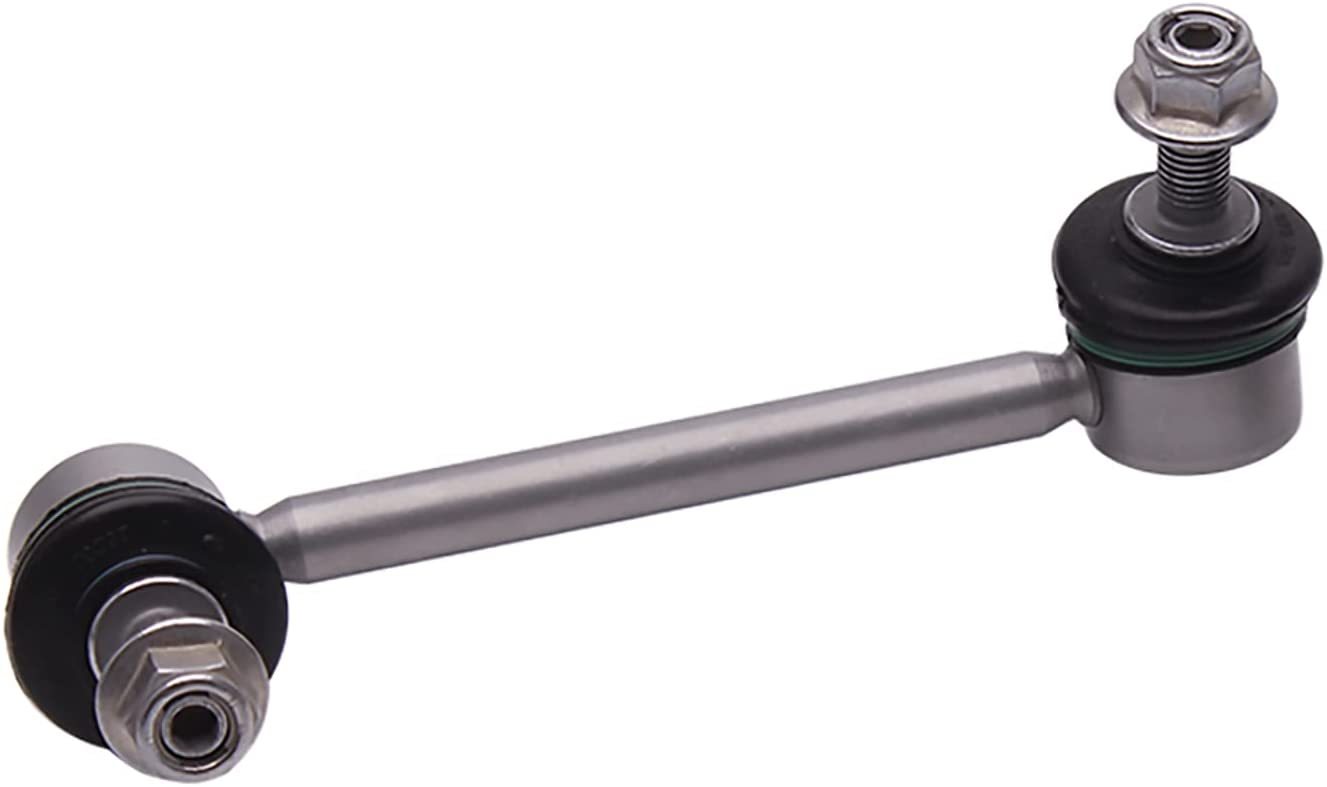
The stabilizer link (also commonly called a sway bar link, anti-roll bar link, or stabilizer end link**) is a critical component in a vehicle’s suspension system. Its invention and widespread adoption were driven by a fundamental automotive engineering challenge: improving vehicle stability and handling without sacrificing ride comfort.
Here’s a breakdown of the primary reasons for its invention and purpose:
1. To Counteract Body Roll
Core Problem: When a vehicle turns or corners, centrifugal force causes its body to lean or "roll" outward. This roll makes the vehicle feel unstable, reduces tire contact with the road, and can be unsettling for passengers.
Solution: The stabilizer link connects the end of the stabilizer bar (sway bar) to the suspension control arm or strut. When one wheel moves up more than the other (as in a turn), the stabilizer bar twists. The link transmits this force, effectively transferring some of the movement to the opposite wheel. This reduces the difference in height between the two sides of the vehicle, minimizing body roll and keeping the car flatter through corners.
2. To Enhance Handling and Safety
Core Problem: Excessive body roll can lead to a loss of traction, unpredictable handling, and increased risk of rollover in extreme situations. It also reduces driver confidence and control.
Solution: By reducing roll, the stabilizer link helps maintain optimal tire contact with the road surface during maneuvers. This provides:
Sharper Cornering: More predictable and responsive steering.
Improved Stability: A safer, more planted feel, especially during emergency avoidance maneuvers.
Better Weight Distribution: Helps keep the vehicle's weight balanced across all four tires.
3. To Allow for a Softer Primary Suspension
Core Paradox: A very stiff suspension minimizes roll but creates a harsh, uncomfortable ride. A very soft suspension is comfortable but allows excessive roll and poor handling.
Elegant Solution: The stabilizer bar and link system provides a "selective" stiffening. It has little effect when both wheels move up and down together (like over a speed bump), preserving ride comfort. However, it immediately resists opposite wheel movement (like in a turn), thereby improving handling independently of the main spring/shock absorber setup. This allows engineers to tune the primary suspension for comfort without ruining handling.
4. To Accommodate Evolving Suspension Designs
Historical Context: As cars moved from solid axles to independent suspension systems (where each wheel can move independently), the need arose to connect these independent sides to control body roll. The stabilizer link became the essential, flexible connector that makes this possible in modern McPherson strut and multi-link suspension designs.
Invention Context:
While the core concept of the anti-roll bar dates back to horse-drawn carriages and early racing cars (e.g., by companies like Marmon and Cadillac in the 1910s-1920s), its widespread use in consumer vehicles grew alongside the demand for higher performance and safety in the mid-20th century. The link itself evolved as a durable, pivotable connector to handle the constant stress and motion while allowing for precise suspension geometry.