Why control arms have so many different designs & appearances
- Share
- Issue Time
- Mar 23,2026
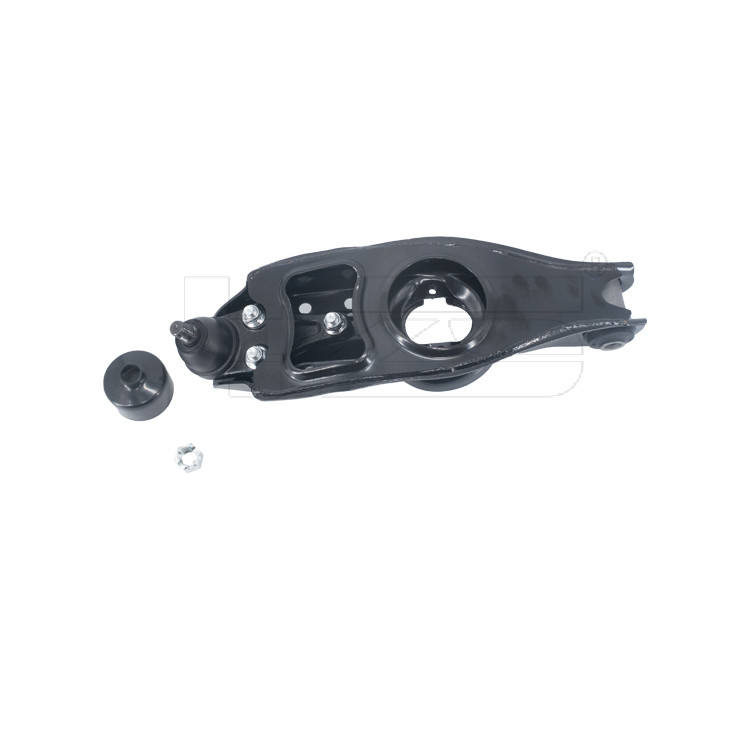
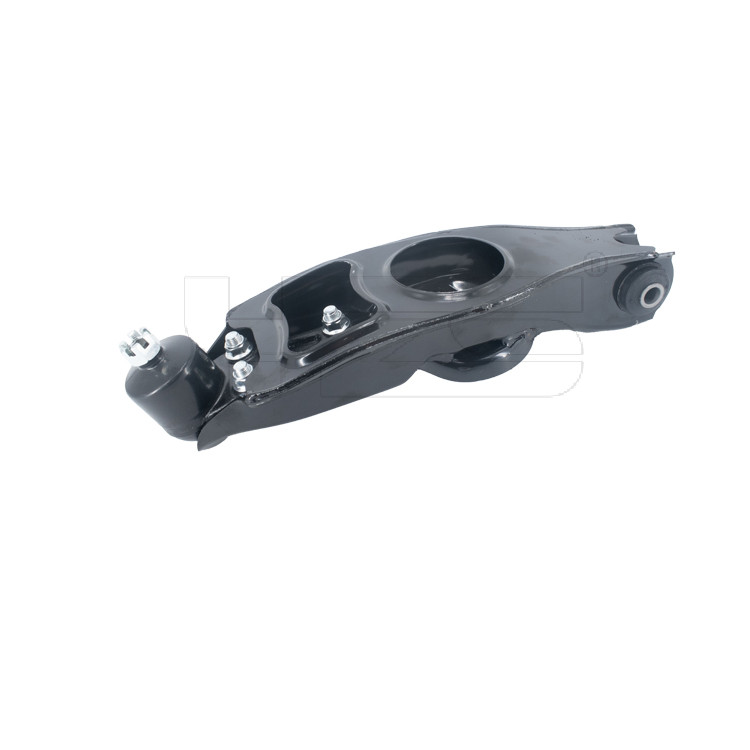
Control arms look very different from one another mainly because they are engineered for different vehicle layouts, loads, functions, materials and mounting requirements.
Different installation positions & geometry
Upper arm / lower arm, front / rear, left / right require different lengths, angles and bending shapes
Each needs to match the wheel camber, caster and toe settings during suspension movement
Different load-bearing demands
Some carry heavy vertical loads
Some mainly handle lateral force or braking force
Higher-load arms need thicker walls, ribs or special curved structures
Different material & manufacturing processes
Stamped steel → flat, thin, lightweight shape
Cast iron / cast aluminum → complex curved, rigid design
Forged aluminum → streamlined, high-strength appearance
(The process directly changes the outer look.)
Different mounting point arrangements
Number of bushing positions differs (1, 2 or multiple points)
Ball joint location varies
Spacing must fit chassis frame, subframe and knuckle space
Different vehicle purposes
Comfort family cars: softer structure, more vibration isolation
Sport / SUV / pickup: reinforced, thicker, rugged outlines
EV models: reshaped to avoid battery & wiring harness interference
Cost & space constraints
Limited undercarriage space forces irregular, bent or slim shapes
Different cost targets decide simple vs reinforced appearance